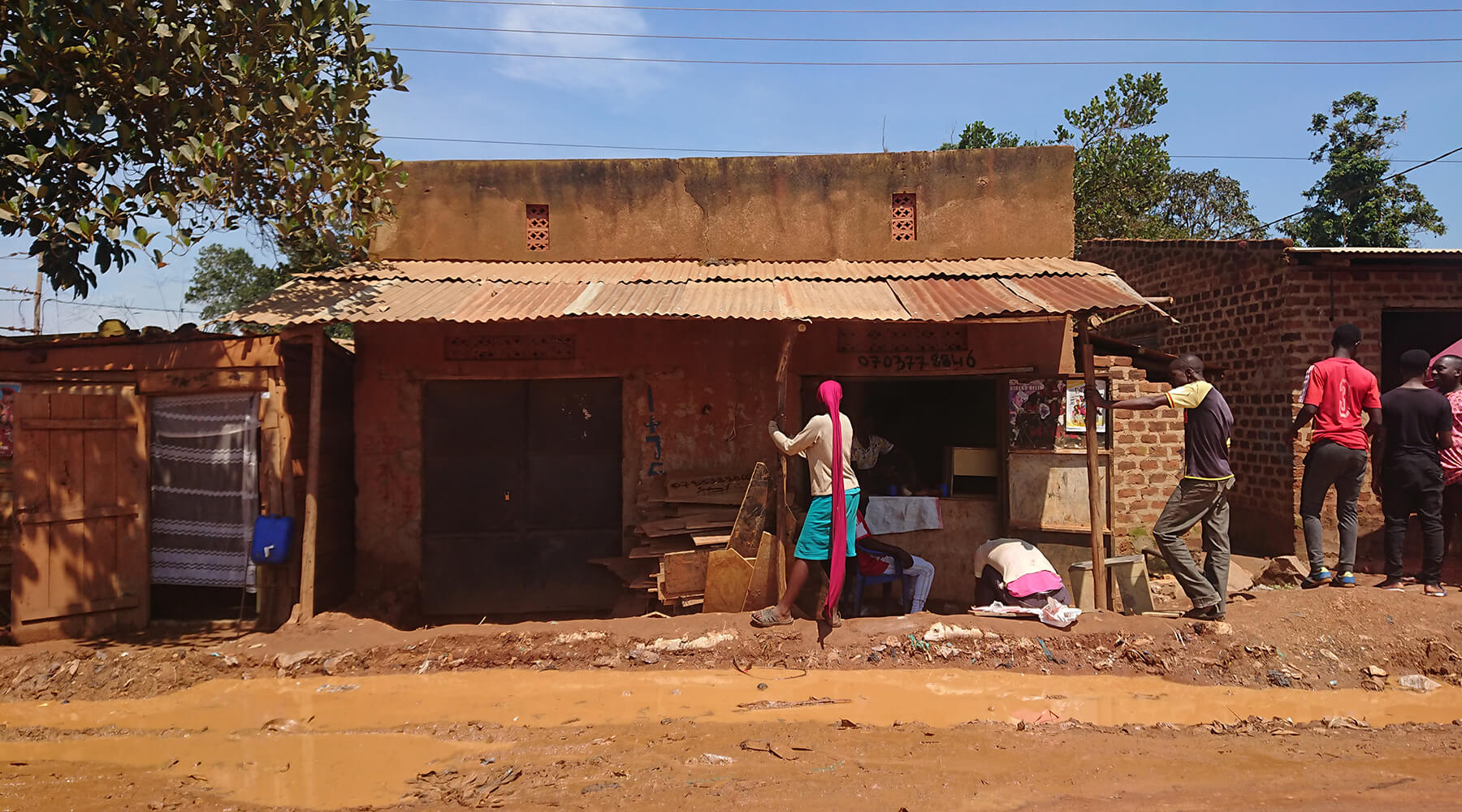
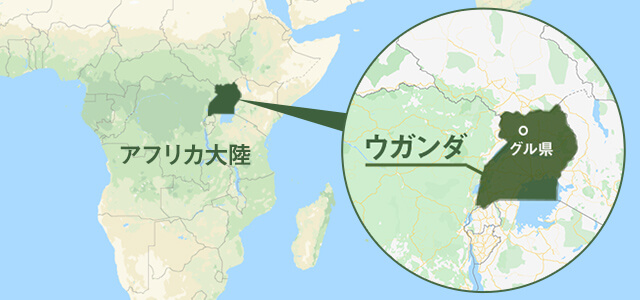
北部ウガンダは1980年代後半から90年代にかけて始まった「政府軍」と「神の抵抗軍」による内戦の舞台になりました。
虐殺や誘拐が繰り返され、1996年には北部ウガンダにあるグル県の首都グルに住むすべての人々に避難命令が出されました。
2007年の停戦合意までの間、この内戦は人々から労働する機会を奪い、この地の農業を完全に崩壊しました。
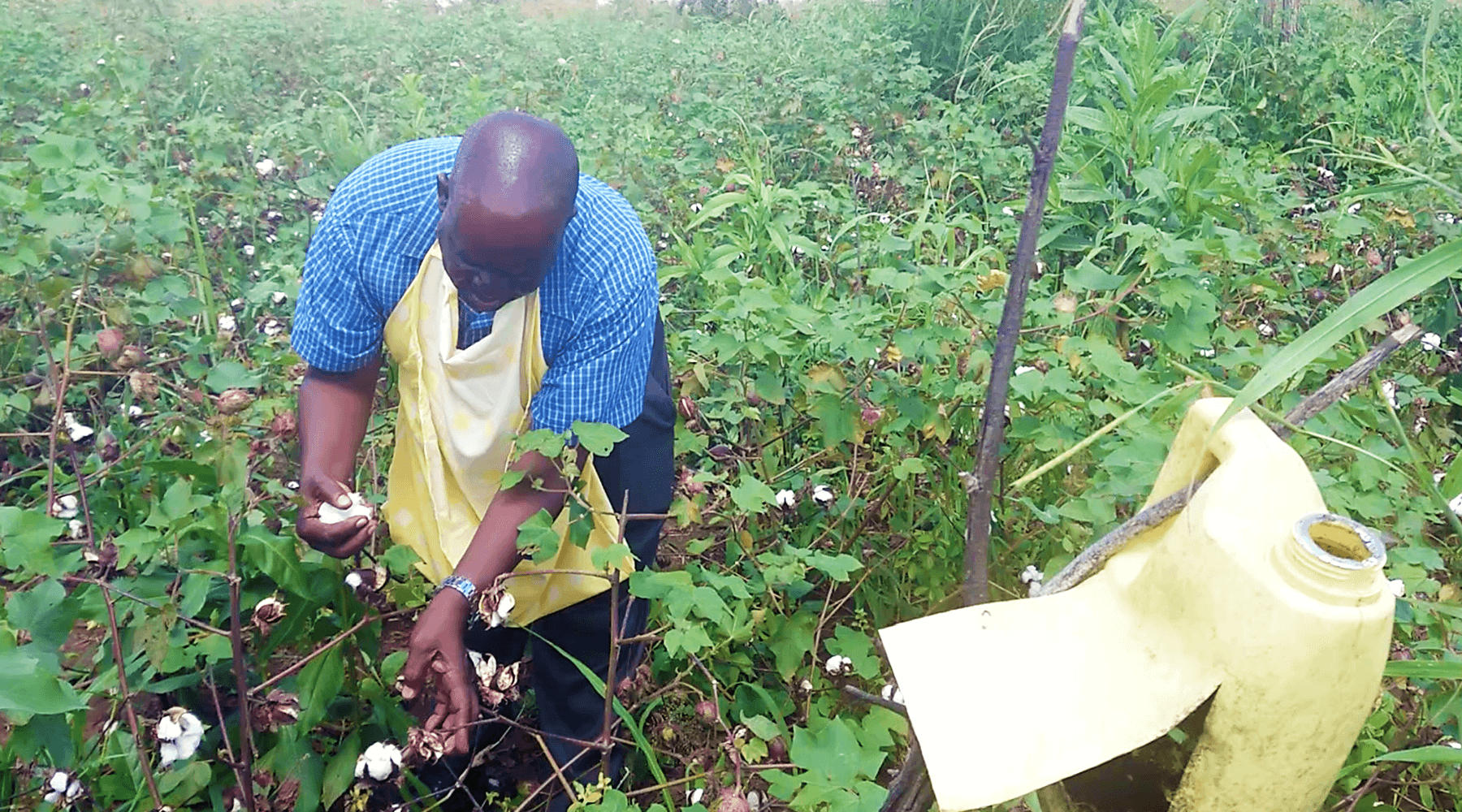
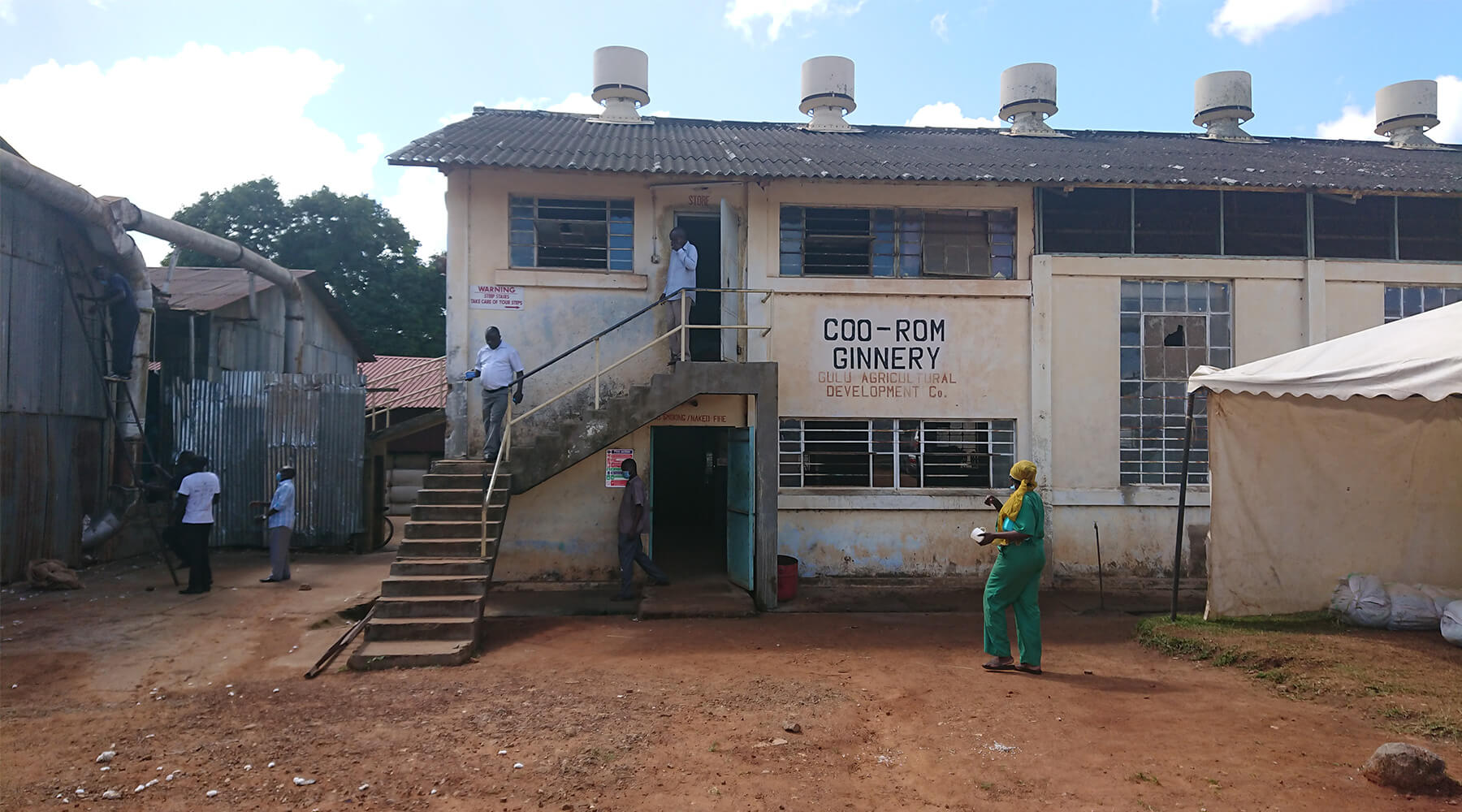
私たちのサプライヤーであるGULU AGRICULTURAL DEVELOPMENT COMPANY(以下、GADC)は、2009年からグル県で農家へのトレーニングを開始し、内戦で失われた農業資本や農業知識を復活させ、収量の増加によって農家の収入を改善しました。
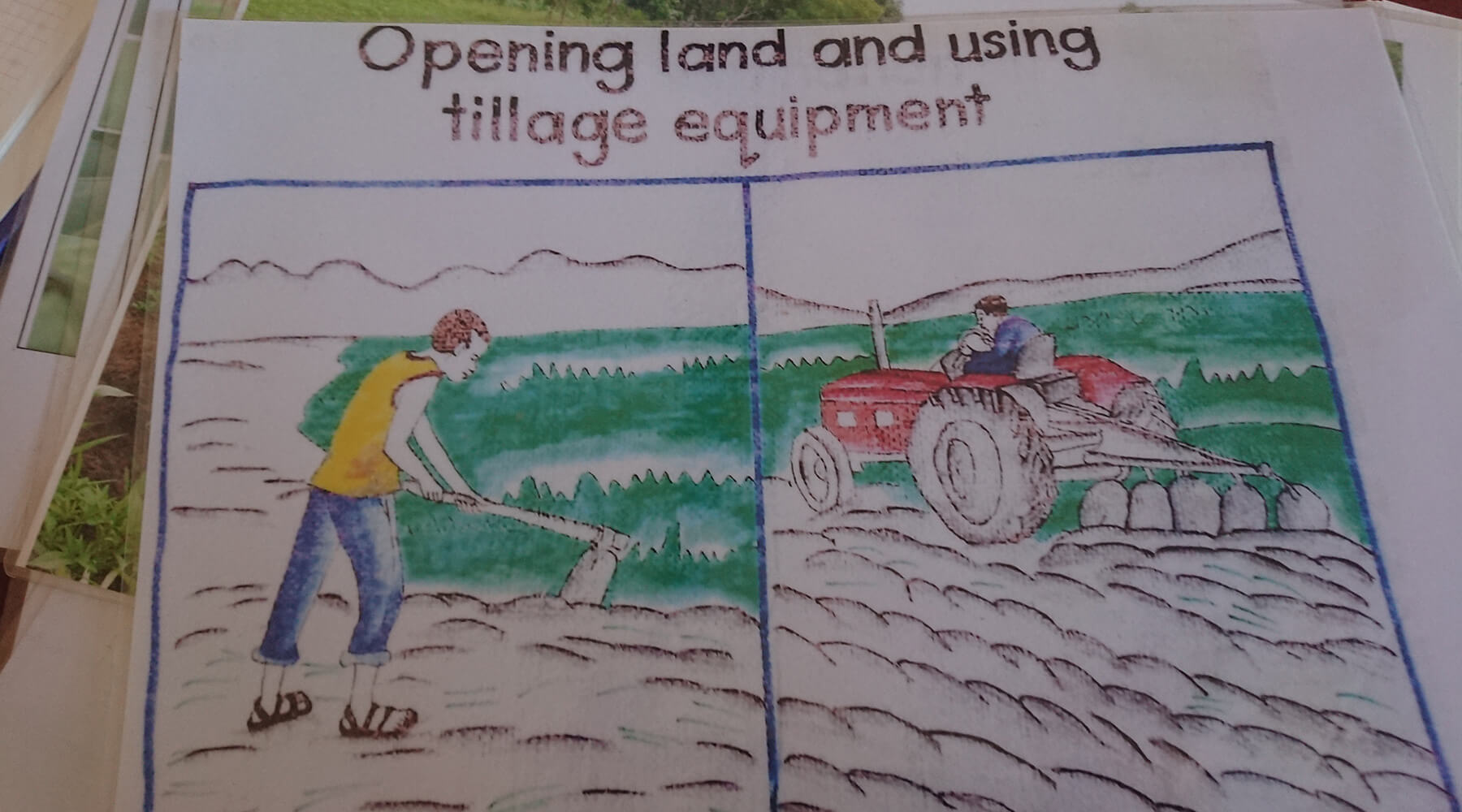
マネージャーのチャールズさんは、言葉で説明するだけでなく、紙芝居や写真を用い、実演して分かりやすく、本当に初歩的なことからトレーニングを始めたと言います。
例えば、チャールズさんはこの5つの基本的なことの重要性を説いています。
GADCは綿花栽培に向く場所を選び、そこに農地を作らせました。
そして「間隔を空けて種を播き、余分な苗を間引いた方が収穫量は増加する」と指導しました。しかし、ウガンダの人たちには理解されません。
たくさん種をばらまいた方が、収穫量は多くなると信じていたからです。
住民の思うように栽培させた畑のすぐ側に、チャールズさんはデモンストレーションファームを作りました。
自分たちのたくさん種をばらまいた畑より、適切な間隔で播種して間引きしたデモンストレーションファームの収穫量の方が多いことを実演して証明したのです。
また、GADCは農業のテクニカルなトレーニングだけではなく、長期的に事業が継続できるように資金計画の指導も行っています。 国内避難民キャンプに長期間暮らしていた人々は、働かずとも食事に困ることは無く、労働意欲を失い、男性のアルコール患者の割合が高くなりました。 アフリカに駐在している日本人に聞くと、そもそもこの辺りの人々は概ね楽天的で、ウガンダだけに限らずケニアでも、現金を手にするとすぐに使ってしまう人が多いそうです。 GADCは「好きなだけお酒を買ってお金が無くなり、翌年はコットンが作れなくなってしまう農家」と「貯金をして翌年もコットンを収穫し、お金を手に入れる農家」の2種類の紙芝居を見せ、継続して農家が収益を上げられるように計画的な資金運用を指導しています。
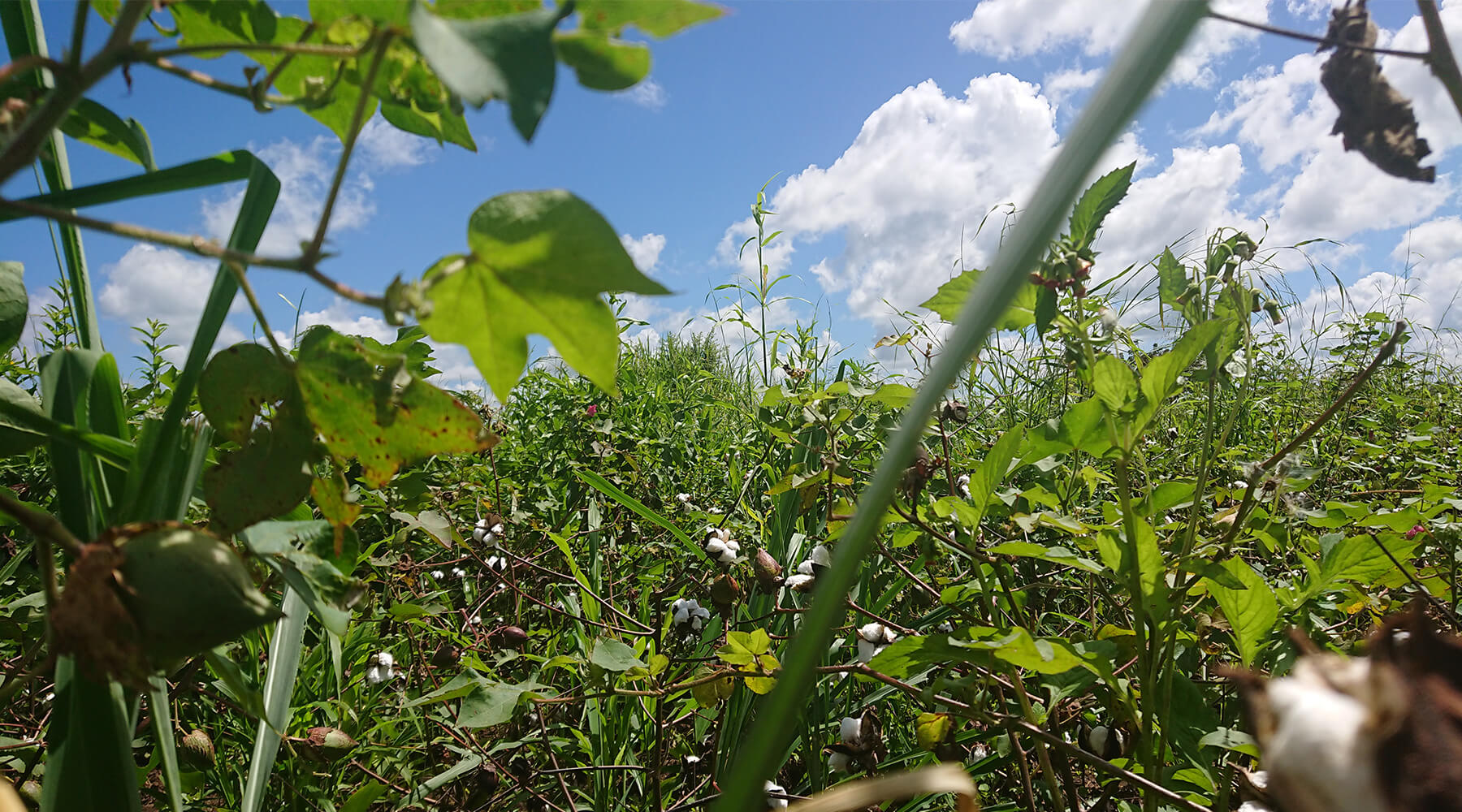
現在、ウガンダではすべてのコットンに対し遺伝子組み換えされた種子の使用が禁止されています。 この地域では綿花栽培に十分な降雨量があり、すべて雨で賄えています。 チャールズさんは、「殺虫剤を使わないオーガニック栽培では、ニームなどのハーブや天敵のてんとう虫、サトウキビの搾りかすなどの蜜を入れたトラップを複合的に用いて、害虫をコントロールしている。」と言います。
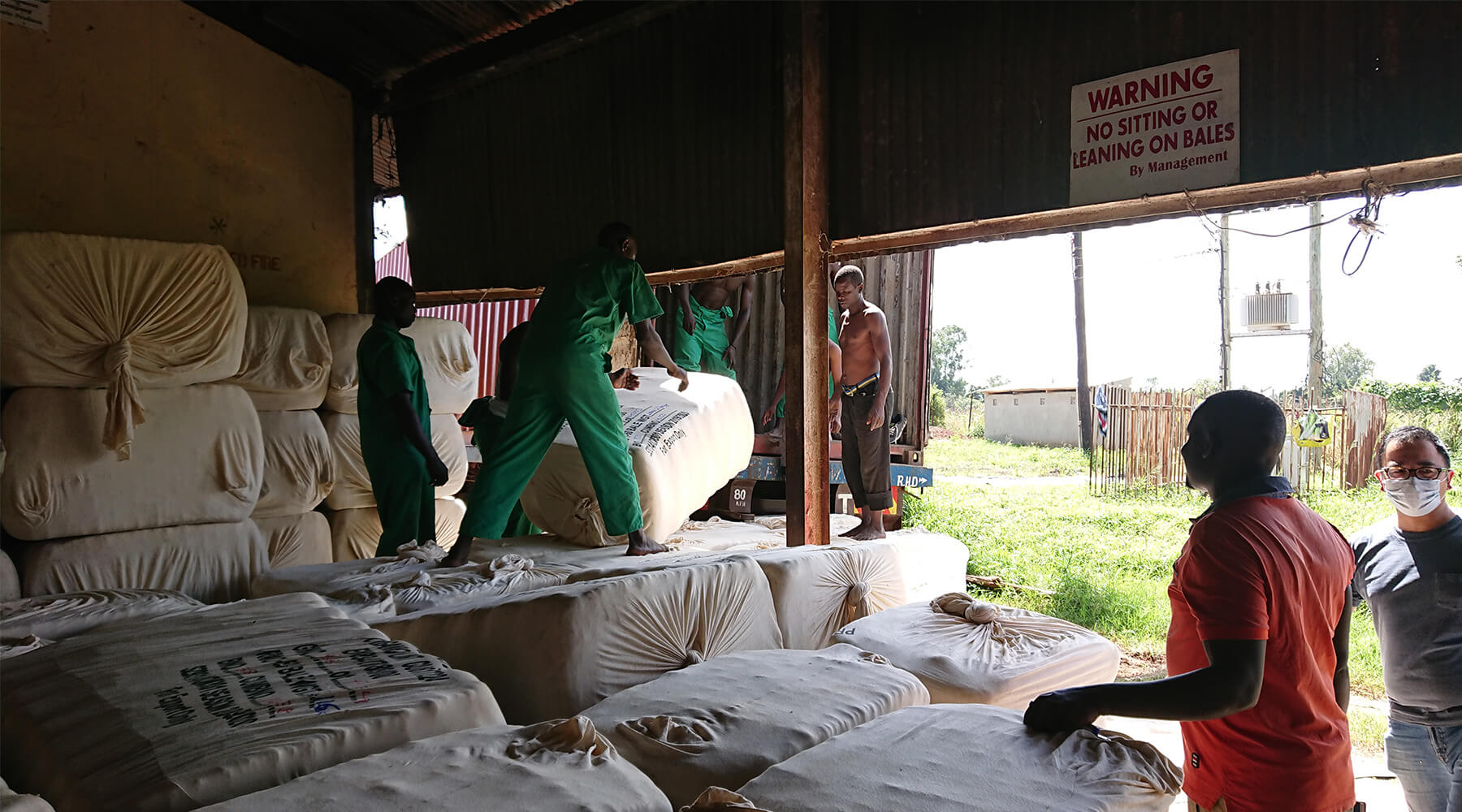
GADCは100ヶ所以上のストアと呼ばれるコットンの買取り代理店を設置しています。 農家は最寄りのストアに収穫したコットンを持ち込み、ストアは農家に代金を現金で支払います。 GADCのトラックはストアからコットンを回収し、ジン工場へと運びます。 運搬手段を持たない遠隔地の農家でも、大きな負担をせずに現金を手にできるように考えられたシステムです。
オーガニック栽培をするかしないかは農家が選択します。 GADCは、手間のかかるオーガニックコットンにはプレミアを付けて買い取り、オーガニック栽培を後押ししています。 その結果、現在は1万数千件の農家がオーガニックコットンを栽培しています。 GADCは高額な認証費用を支払い、47日間に及ぶ実地監査を受け、厳しいGOTS認証を取得しています。 コットンの付加価値を高め、ヨーロッパやアジアに輸出して利益を出し、環境と農家が持続可能な農業ができるように様々なプログラムを実行しています。 私たちはGADCのオーガニックコットンを応援するため、積極的に継続して使用しています。
Northern Uganda was the scene of a civil war between the "Government Forces" and the "Lord's Resistance Army" that began in the late 1980s and continued into the 1990s. Massacres and abductions were repeated, and in 1996, an evacuation order was issued for all residents of Gulu, the capital of Gulu District in Northern Uganda. The civil war, which lasted until a cease-fire agreement in 2007, robbed the local people of the opportunity to work and completely destroyed agriculture in the area.
Our supplier, the GULU AGRICULTURAL DEVELOPMENT COMPANY (GADC), started farmer training in Gulu District in 2009. They aimed to restore the agricultural capital and knowledge lost during the civil war and improve farmers' incomes by increasing yields. Manager Charles says he began the training with the absolute basics, using picture-card shows and photos, alongside verbal explanations and practical demonstrations to ensure clarity.
For example, Charles emphasizes the importance of these five fundamental points:
GADC guided farmers to select suitable locations for cotton cultivation and establish farmland there. They taught that "planting seeds with space between them and thinning out excess seedlings increases the harvest yield." However, the people there did not readily accept this, as they believed that scattering many seeds would result in a greater harvest. Charles set up a demonstration farm right next to the fields where the residents cultivated crops as they saw fit. He demonstrated and proved that the harvest from the demonstration farm, where seeds were sown at appropriate intervals and thinned, was significantly greater than the residents' fields where many seeds had been scattered.
In addition to technical agricultural training, GADC also provides guidance on financial planning to ensure the long-term sustainability of the business. People who had lived in Internal Displacement Camps (IDP camps) for a long period were provided with food without having to work, leading to a loss of motivation to labor and a high rate of male alcohol abuse. Japanese expatriates stationed in Africa say that people in this region are generally optimistic, and not only in Uganda but also in Kenya, many tend to spend cash immediately upon receiving it.
To guide farmers towards planned financial management for continued profitability, GADC uses picture-card shows to illustrate two types of farmers: those who "spend all their money buying alcohol and cannot grow cotton the following year," and those who "save their money, harvest cotton again the next year, and earn more."
Currently, the use of genetically modified seeds is prohibited for all cotton in Uganda. The region has sufficient rainfall for cotton cultivation, which is entirely rain-fed. Charles states, "In organic farming without the use of insecticides, we control pests using a combination of neem and other herbs, natural predators like ladybugs, and traps containing a sweet liquid, such as sugarcane molasses."
GADC has established over 100 purchasing agents, called "stores," for buying cotton. Farmers bring their harvested cotton to the nearest store, and the store pays the farmers in cash. GADC's trucks then collect the cotton from the stores and transport it to the ginning factory. This system is designed to allow farmers in remote areas without their own means of transport to receive cash without a major burden.
Farmers choose whether or not to cultivate organically. GADC encourages organic farming by offering a premium price for the more labor-intensive organic cotton. As a result, tens of thousands of farmers are currently cultivating organic cotton. GADC pays the high certification costs, undergoes a strict 47-day on-site audit, and has obtained the rigorous GOTS (Global Organic Textile Standard) certification. They execute various programs to increase the added value of the cotton, export it to Europe and Asia for profit, and ensure that the environment and farmers can sustain their agriculture. We actively and continuously use GADC's organic cotton to support their efforts.